Types of Solar Panels in Nigeria: Monocrystalline vs Polycrystalline
Types of Solar Panels in Nigeria: Monocrystalline vs Polycrystalline
As someone who has personally installed solar panels in my Nigerian home, I know the struggle of choosing the right type. Over the years, I’ve worked with both monocrystalline and polycrystalline panels, and in this guide, I’ll break down everything you need to know to make an informed decision for your home.
Main Types of Solar Panels in Nigeria
When it comes to solar panels for homes in Nigeria, the two main types you’ll encounter are monocrystalline and polycrystalline panels. Each has its characteristics, advantages, and limitations that matter depending on your rooftop space, sunlight, and energy needs.
Monocrystalline Solar Panels
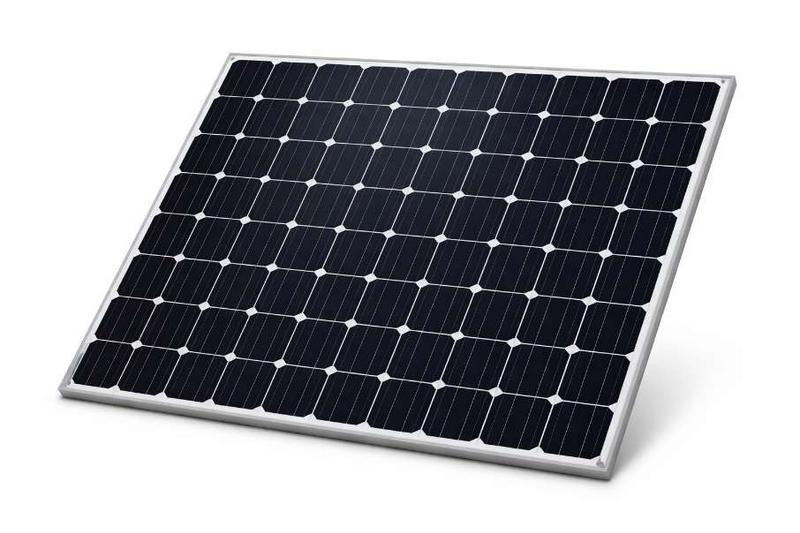
Monocrystalline panels are easily recognizable by their uniform dark appearance and rounded edges on each cell. These panels are widely used in Nigerian homes because of their efficiency and durability.
How They Are Made
Monocrystalline panels are created from a single, pure silicon crystal. The silicon is sliced into thin wafers, which are assembled into a panel. This single-crystal structure allows for more efficient electron flow.
How They Work
During the day, sunlight hits the solar cells, exciting electrons and generating a direct current (DC). The DC flows through wiring to a charge controller and is stored in batteries. At night or when needed, an inverter converts this DC to alternating current (AC) to power home appliances.
Advantages
- Higher efficiency in converting sunlight to electricity.
- Smaller footprint, ideal for limited roof space.
- Long lifespan with consistent performance over the years.
Limitations
- Sensitive to shading – even partial shade can reduce output.
- Typically more expensive than polycrystalline panels.
Polycrystalline Solar Panels
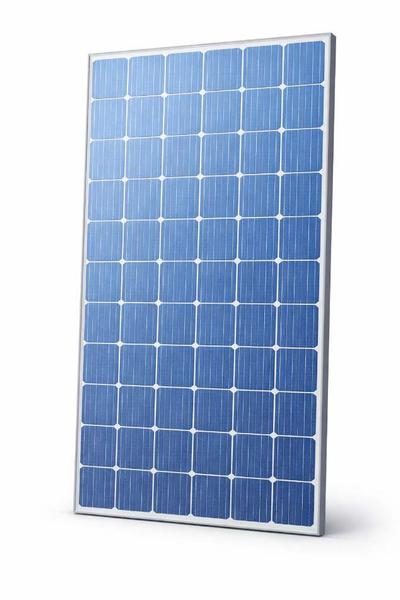
Polycrystalline panels have a blue-speckled appearance and a square-shaped cell design. They are also popular in Nigerian homes but are slightly different in performance and efficiency.
How They Are Made
Polycrystalline panels are produced by combining multiple silicon fragments, creating a less uniform crystal structure compared to monocrystalline panels.
How They Work
The working principle is the same as monocrystalline panels: sunlight excites electrons to generate DC electricity, which is then managed by the charge controller and inverter for home use.
Advantages
- Lower production cost, making them more affordable upfront.
- Good efficiency for homes with ample rooftop space.
- Durable and reliable under normal weather conditions.
Limitations
- Slightly lower efficiency compared to monocrystalline panels.
- Larger panels may be needed for the same energy output.
Comparison Between Monocrystalline and Polycrystalline Panels
| Feature | Monocrystalline | Polycrystalline |
|---|---|---|
| Efficiency | Higher | Slightly lower |
| Lifespan | 20–25 years | 20–25 years |
| Space Usage | Smaller | Requires more space |
| Performance in Heat | Performs well in hot conditions | Moderate performance in heat |
How Nigerians Can Choose the Right Type for Their Homes
From my experience, choosing the right panel type depends on:
- Available rooftop space – smaller roofs benefit from monocrystalline panels.
- Sunlight availability – both types work well, but shaded areas reduce efficiency more for monocrystalline.
- Home appliances and energy needs – higher consumption may favor more efficient panels.
If you want to learn how to install solar panels in Nigerian homes, check our step-by-step guide next.
Benefits of Understanding Solar Panel Types
- Ensures reliable electricity supply in Nigerian homes.
- Maximizes energy system efficiency.
- Helps you plan for long-term usability and maintenance.
Personal Experience / Case Study
In my home, I first installed polycrystalline panels because of the large rooftop. They served well, but I later added monocrystalline panels on a smaller roof section to maximize output. I noticed that during peak sunlight, the monocrystalline panels provided slightly more consistent energy. From this experience, I can say that understanding the type of panel makes a real difference in daily energy management.
Frequently Asked Questions (FAQs)
- Which solar panel type is best for Nigerian homes? Both types work, but consider your roof space and energy needs.
- Do monocrystalline panels perform better in hot Nigerian weather? Yes, they maintain efficiency better under strong sunlight.
- Are polycrystalline panels cheaper? Generally yes, but consider long-term efficiency and space requirements.
- Can I mix both types in one solar system? Yes, as long as the system is designed to handle different panel outputs.
- How long do solar panels last in Nigeria? With proper maintenance, both types can last 20–25 years.
Final Conclusion
Choosing between monocrystalline and polycrystalline panels in Nigeria depends on your roof, sunlight exposure, and energy needs. Both types are reliable, but understanding their differences helps you make smarter decisions. With proper installation and care, your home solar system Nigeria can provide clean, dependable electricity for years.

Comments
Post a Comment
We’d love to hear your opinion. Please leave a comment to join the discussion.