How much does it cost to install solar panels in Nigeria( Complete Guide)
How Much Does It Cost to Install Solar Panels in Nigeria? (Complete Guide)
With electricity bills rising and frequent blackouts affecting homes across Nigeria, more homeowners are considering solar energy as a sustainable alternative. A common question that arises is: how much does it really cost to install solar panels in Nigeria?
The total cost depends on several factors including system size, quality of components, location, and installation complexity. In this guide, we break down the expenses, explain what affects pricing, and help you plan your budget effectively.
Average Cost of Solar Panel Installation in Nigeria
On average, a full solar system in Nigeria costs between ₦350,000 and ₦8,000,000+, depending on system capacity and component quality.
| System Type | Power Capacity | Estimated Cost (₦) |
|---|---|---|
| Basic Solar Setup | 1kVA | ₦350,000 – ₦600,000 |
| Small Home System | 2–3kVA | ₦700,000 – ₦1,500,000 |
| Medium Home System | 5kVA | ₦2,000,000 – ₦3,500,000 |
| Large Residential System | 10kVA+ | ₦5,000,000 – ₦8,000,000+ |
Factors That Determine Solar Installation Costs in Nigeria
The cost of solar installations varies widely due to several key factors:
1. Solar Panel Type and Quality
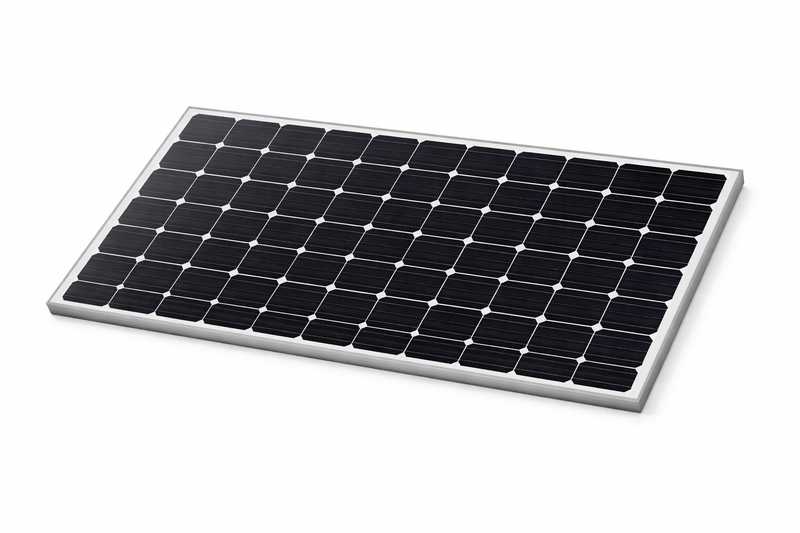
There are different types of solar panels available, including monocrystalline, polycrystalline, and thin-film panels. Monocrystalline panels are more efficient and last longer but are more expensive.
2. Inverter Capacity
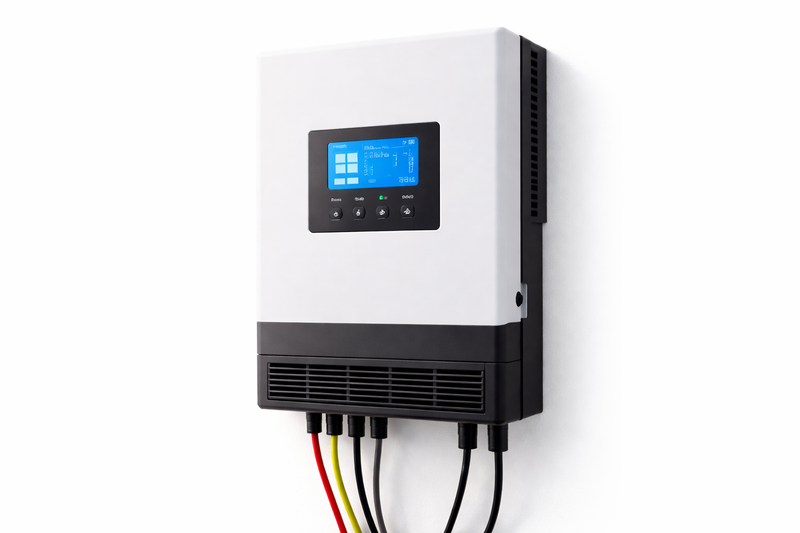
Inverters convert solar power into usable electricity. Higher-capacity inverters like 5kVA or 10kVA models cost more. Well-known brands in Nigeria vary in both price and reliability.
3. Battery Storage
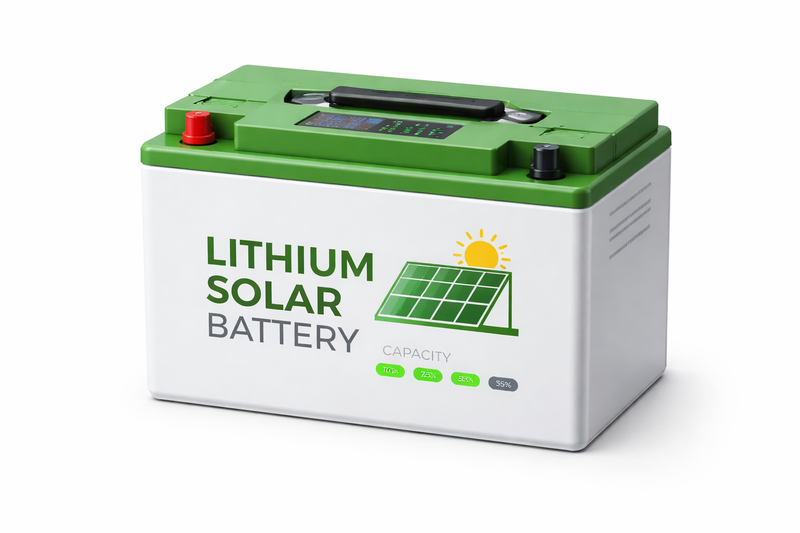
Batteries can be one of the priciest components. Lithium batteries last longer and perform better than traditional lead-acid batteries but have a higher upfront cost.
4. Installation Location
Urban areas may have higher labor costs while remote areas could add logistics expenses. The installation environment can significantly affect overall costs.
5. Energy Consumption Needs
Larger households with multiple air conditioners, freezers, water pumps, or offices require bigger systems. Higher daily energy consumption increases the installation cost.
Cost Breakdown of a Typical Solar System in Nigeria
| Component | Estimated Cost Range (₦) |
|---|---|
| Solar Panels | ₦150,000 – ₦2,500,000 |
| Inverter | ₦120,000 – ₦1,800,000 |
| Batteries | ₦200,000 – ₦3,000,000 |
| Mounting & Accessories | ₦50,000 – ₦300,000 |
| Installation & Labor | ₦50,000 – ₦400,000 |
Is Solar Installation Worth the Cost in Nigeria?
While the initial investment might seem high, a solar system can save you money in the long run. With proper maintenance, solar panels last over 20 years, reducing electricity bills and generator fuel expenses.
Solar energy also provides independence from blackouts, protects appliances from voltage fluctuations, and can even increase property value.
Tips to Reduce Solar Installation Costs
- Start with a smaller system and expand later.
- Choose high-quality components to avoid frequent replacements.
- Compare multiple installers before committing.
- Conduct an energy audit to optimize your system size.
Common Mistakes to Avoid
- Buying cheap systems without considering durability. Poor-quality components often fail quickly, raising long-term costs.
- Installing without professional assessment, which can lead to underpowered systems.
Frequently Asked Questions (FAQs)
How long does solar installation take?
Most residential installations take 1–3 days, depending on system size.
Can solar power run an entire house?
Yes. With the correct system capacity, solar can power all appliances, including air conditioners.
Do solar panels work during the rainy season?
Yes. Panels still generate electricity even on cloudy or rainy days, although output may be lower.
Final Thoughts
Installing solar panels in Nigeria is a wise investment for reliable power and long-term savings. Understanding the system components and planning carefully helps you choose the right setup. Always consult certified solar professionals for installation and component selection to ensure optimal performance.

Comments
Post a Comment
We’d love to hear your opinion. Please leave a comment to join the discussion.