How Solar Panels Work in Nigerian Homes (Simple Guide)
How Solar Panels Work in Nigerian Homes (Simple Guide)
Living in Nigeria, I know the frustration of frequent power outages and unreliable electricity. You plan your day, but the lights go off unexpectedly, and the fans stop working in the scorching heat. That’s why I decided to install solar panels at home. In this guide, I want to show you exactly how solar panels work in Nigerian homes, step by step, so you can enjoy consistent electricity without relying entirely on the national grid.
What Are Solar Panels? (Simple Explanation)
Solar panels are devices that capture sunlight and turn it into electricity. Think of them as your home’s energy catchers. When the sun shines on them, they start producing power immediately. I personally noticed that even on partly cloudy days, my panels still generate enough energy to keep basic appliances running.
.png)
Main Parts of a Home Solar System in Nigeria
Solar Panels
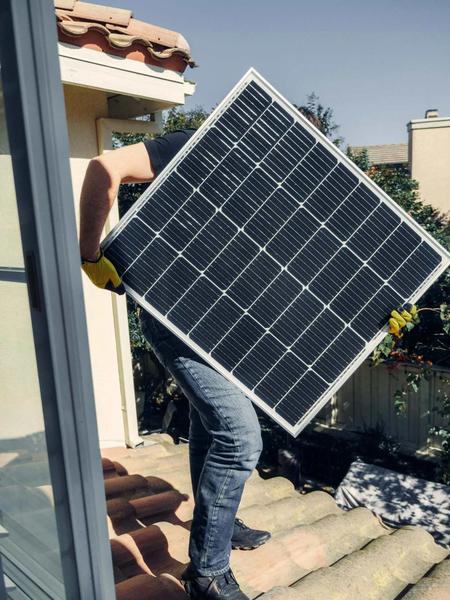
The solar panels sit on your roof and collect sunlight. I made sure mine faces the direction with maximum sun exposure to generate more power. The more sunlight they get, the more electricity you’ll have for your home.
Charge Controller
The charge controller sends electricity from the panels to the batteries safely. I’ve had it prevent overcharging my batteries multiple times, keeping the system efficient and safe.
Inverter
The inverter converts the electricity stored in the batteries into the kind your appliances use. Without it, my fans, lights, and fridge wouldn’t run. I actively check the inverter to make sure everything flows correctly.
Batteries
Batteries store electricity for use when the sun goes down or during cloudy days. I learned the hard way that taking care of batteries is key—they need occasional checks, cleaning, and proper connection to last long.
Wiring and Mounting
Proper wiring and mounting keep everything stable and safe. I installed my panels firmly on the roof and connected wires neatly. It prevents accidents and ensures steady power supply.
How Solar Panels Work in Nigerian Homes (Step-by-Step)
Here’s the process I follow and explain to others when they ask me:
- Sunlight hits the solar panels: Panels absorb sunlight and produce direct current (DC) electricity.
- Charge controller regulates: The electricity goes through the charge controller to protect the batteries from overcharging.
- Batteries store electricity: The DC electricity stays in the batteries, ready to power your home anytime.
- Inverter converts DC to AC: The inverter changes the stored power into alternating current (AC) that powers lights, fans, and other appliances.
- Electricity powers your home: Now your lights stay on, your fridge works, and you can charge your phones and laptops even during blackouts.
During the day, solar panels supply electricity directly. At night, your home uses the stored battery power. I’ve found that proper maintenance and monitoring make the system reliable even during prolonged rainy seasons.
How Solar Power Is Used Inside a Nigerian Home
- Lighting: I never worry about power cuts affecting my home lighting.
- Fans: I can stay cool in the heat without running generators.
- Television: My family enjoys entertainment without interruptions.
- Refrigerator: Food stays fresh even when the grid fails.
- Phone and laptop charging: I can work or study without running out of power.
Benefits of Using Solar Panels in Nigerian Homes
- Reliable electricity: I get constant power even during grid failures.
- Reduced dependence on the national grid: Solar energy gives me independence from erratic supply.
- Environmentally friendly energy: I reduce my carbon footprint while keeping my home powered.
Limitations of Solar Panels (Honest Explanation)
- Weather dependency: On rainy or cloudy days, solar panels produce less power, so I plan my energy usage accordingly.
- Proper system sizing: A small system may not run all appliances, so it’s important to match your energy needs.
- Battery maintenance: Batteries need occasional care to last longer. Ignoring them can reduce system reliability.
Is Solar Power a Good Option for Nigerian Homes?
From my experience, solar power is a practical and reliable solution for Nigerian homes. It reduces dependence on the grid, ensures lights stay on during blackouts, and can power essential appliances safely. With proper planning, maintenance, and installation, solar energy becomes a dependable part of everyday life.
Frequently Asked Questions (FAQs)
1. How long does it take to install a home solar system in Nigeria?
Installation usually takes 1–3 days depending on system size and roof structure. I can usually set up a small system in a day if everything is ready.
2. Can solar panels power my whole house?
Yes. With a correctly sized system, solar can power all appliances including lights, fans, fridge, TV, and laptops.
3. Do solar panels work during rainy seasons?
Yes. Panels still generate electricity even when cloudy, although output is lower than on sunny days. Planning battery storage helps cover this period.
4. How do I maintain my solar batteries?
Regularly check connections, clean them, and avoid overcharging. Proper maintenance extends battery life significantly.
5. Is solar power safe for electronics?
Yes. With the right inverter and setup, solar electricity safely powers TVs, fridges, computers, and other household devices.
Final Conclusion
I’ve lived through the frustration of inconsistent electricity, and solar panels have been a game-changer. Understanding how solar panels work in Nigerian homes, and taking simple steps to maintain your system, can give you reliable electricity without depending entirely on the grid. Solar power in Nigerian homes is not just an alternative—it’s a practical solution that improves daily life while protecting the environment.
Next Post Suggestion: Step-by-Step Guide to Installing a Home Solar System in Nigeria

Comments
Post a Comment
We’d love to hear your opinion. Please leave a comment to join the discussion.